Miles from the trailhead, a flat or a snapped chain can end your day. The mountain bike repair kit essentials are a multi-tool with a chain tool, spare tubes, a pump, tyre levers and a tubeless plug kit.
This guide is part of our wider mountain bike gear coverage.
| Item | What to look for |
|---|---|
| Multi-tool | Built-in chain tool, T25 torx, flathead and Philips screwdrivers, plus Allen keys |
| Spare inner tubes | A couple, even if riding tubeless |
| Tubeless repair kit | Plugs applied with a specialist plug tool |
| Pump | Combined mini-pump and CO2 inflator is the ideal solution |
| Tyre levers | Sturdy levers; some double as chain breakers |
Figures come from BikeRadar and British Cycling. Gear advice changes, so check those pages before you rely on them.
Why a trailside repair kit matters in the backcountry
Out on Cariboo singletrack, help can be a long walk away. A small kit can turn many mechanical problems into a short stop instead of a long push home.
BikeRadar’s advice is to plan for the worst and hope for the best. It also points out that the kit is only half the job: you need to know how to use it, whether that is applying first aid, using a shock pump or fixing a tubeless puncture.
Practise at home first. British Cycling says to have a practice at home first, because some repair products are easier to use than others and may need a specialist tool.
The core items to pack
Start with the short list below. Together it covers the most common failures: punctures, loose bolts and broken chains.
- Multi-tool with a chain tool.
- Spare inner tubes and puncture patches.
- Tubeless plug kit and plug tool.
- Pump or CO2 inflator.
- Tyre levers.
Multi-tool
BikeRadar calls a quality multi-tool a real essential, and says one with a chain tool comes in even more handy. It suggests spending a little more on one that includes a built-in chain tool, a T25 torx, flathead and Philips screwdrivers in addition to Allen keys.
The uses are wide: tightening a seatpost clamp, adjusting bar angles, securing bottle cage bolts or unscrewing a thru-axle. A ratchet tool with multiple bits is an alternative.
Tyre levers and pumps
A sturdy tyre lever helps with stubborn tyres on rims. British Cycling reminds riders that before pumping, you need to get the tube out, so bring levers if your wheel and tyre combination needs them.
On the pump, British Cycling says a pump is essential for re-inflating your tyres after a puncture. A combined mini-pump and CO2 inflator is the ideal solution, or just carry both.
Fixing flats: tubes, plugs and patches
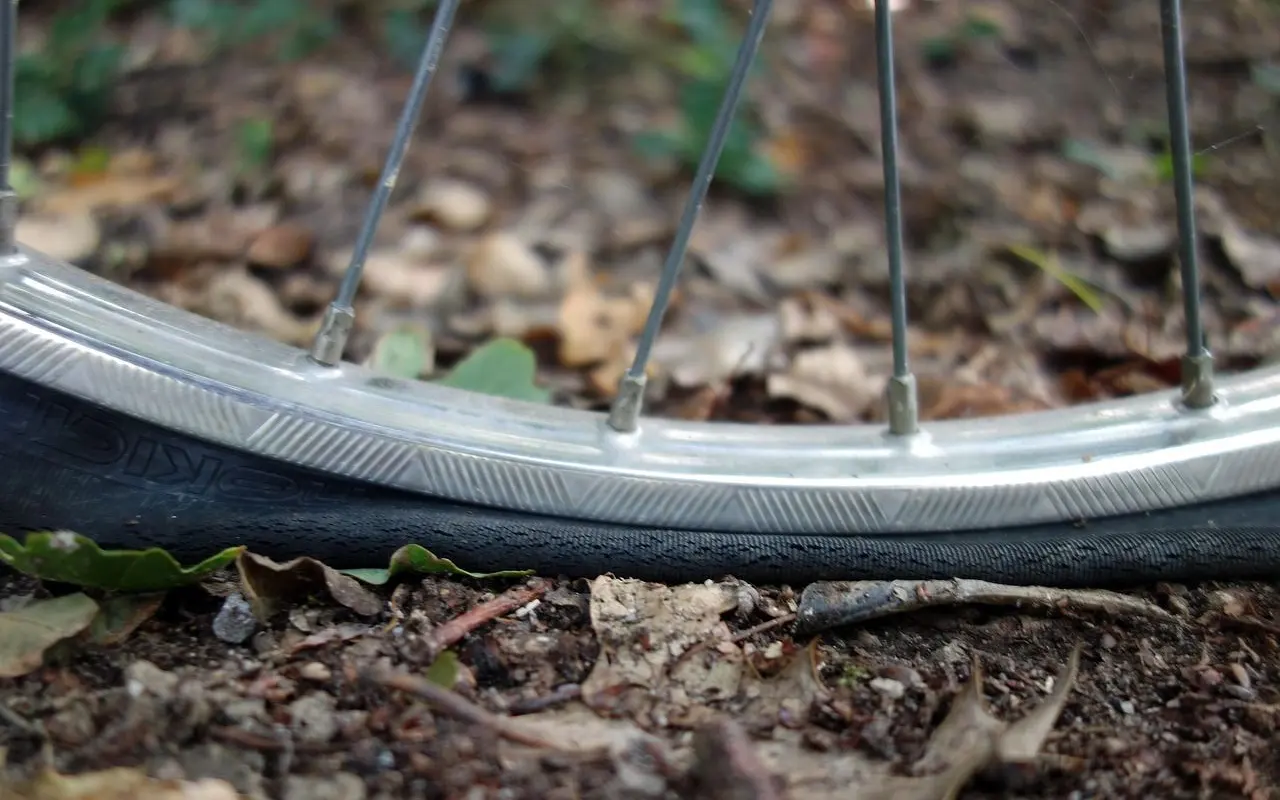
BikeRadar notes that a puncture is one of the most common mechanical issues on the trail, whether from glass, a thorn, a sharp rock or a snakebite from dinging the rim.
If your tyres are tubeless, tubeless plugs are, in BikeRadar’s words, the mountain biker’s best friend. They go into the hole with a specialist plug tool, sealing it ready for reinflation.
Plugs have limits. Larger cuts or slices might not work with plugs, so you will need to remove the tyre and install a tyre boot and tube.
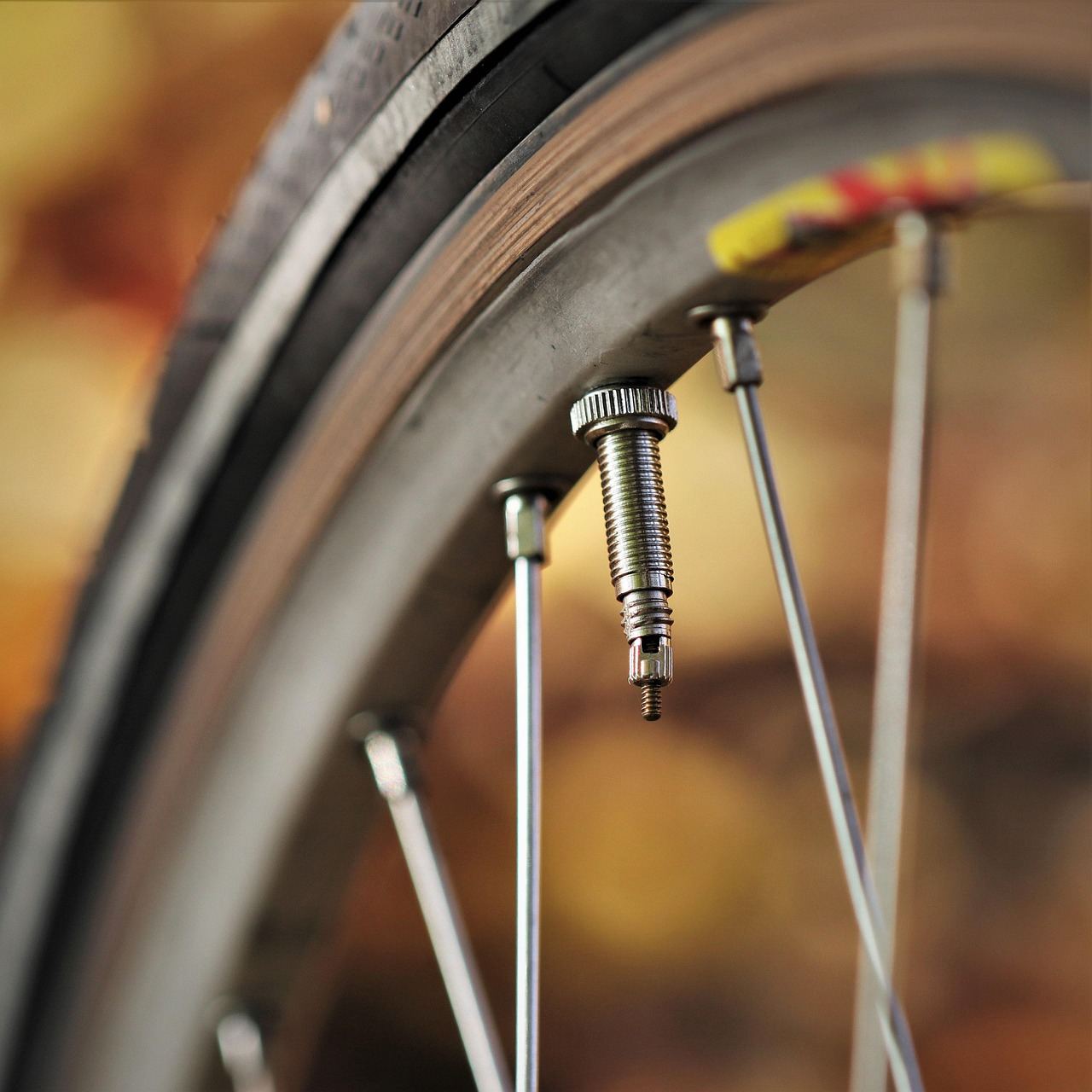
That is why British Cycling advises carrying a couple of spare inner tubes, even if riding tubeless, plus quick stick puncture repair patches in case you have multiple flats. If you ride tubeless, you may also need pliers to remove the valve core.
Pressure matters for avoiding flats in the first place; our guide to mountain bike tire pressure explains how to set it.
A calm routine for a flat
Panic wastes time, so run the same routine every time. Here is a simple order that matches the advice above:
- Get off the trail and find the hole or cut.
- Try a plug first if you ride tubeless and the hole is small.
- If the cut is large, remove the tyre, fit a boot and put in a tube.
- Use your levers carefully so you do not pinch the tube.
- Reinflate with your pump or inflator and check the tyre seats evenly.
Take a moment to look inside the tyre for the thorn or shard that caused the flat. Leaving it there is a quick way to puncture again a few minutes later.
Chains, hangers and suspension
A broken chain is the other ride-ender. The chain tool on your multi-tool lets you fix it, but chain parts vary by drivetrain.
BikeRadar warns that with items such as derailleur hangers and chain links, you will need to check cross-compatibility if you plan to help riding partners. Match spares to your own bike, and ask friends what they run.
A small shock pump is worth it if you like to fine-tune suspension as you go. BikeRadar says you are unlikely to pack one for short loops from home, but on a big-day ride or bikepacking trip it can help.
Building your own mountain bike repair kit
A kit only helps if it is with you and you can find things quickly. Pick one home for it, such as a small pouch in your pack or a frame bag, and leave it packed between rides.
Check it before each outing with this routine:
- Confirm the tube fits your current tyre and valve type.
- Replace any used patches, plugs or CO2 cartridges.
- Make sure the multi-tool still has the bit sizes your bike needs.
- Test that the pump seats properly on your valve.
- Check that spare chain links match your drivetrain.
Every bike is different, so audit your own machine. Note which bolts and axle types it uses, then make sure your multi-tool fits every one of them.
Keep the kit light enough that you never leave it behind. The best kit is the one you actually carry, and a few well-chosen items beat a bag of rarely used extras.
Beyond the bike: first aid and comfort
Bike parts are only part of the load. BikeRadar puts first aid, sun cream and lip balm in its essentials list, noting that keeping safe on the trail goes beyond kneepads and first aid training.
British Cycling adds that a waterproof should always be carried, with a packable warm jacket or extra base layer in a zip-lock bag as sensible extras.
In the Cariboo, wildlife is part of the picture too. Read up on bear safety mountain biking before you head out.
Frequently asked questions
Do I still need a spare tube if I ride tubeless?
Show answer
British Cycling says to carry a couple of spare inner tubes, even if riding tubeless. Plugs cannot fix every cut, and a tube is the fallback.
What should my multi-tool include?
Show answer
BikeRadar recommends a built-in chain tool, a T25 torx, flathead and Philips screwdrivers, and Allen keys.
Do I need a shock pump?
Show answer
Not for every ride. BikeRadar says you are unlikely to pack one for short loops, but it can help on big-day rides or bikepacking trips.
Should I carry CO2 or a pump?
Show answer
Either works, and carrying both gives you a backup if a cartridge fails or a valve leaks. Whichever you choose, try it at home before you rely on it.