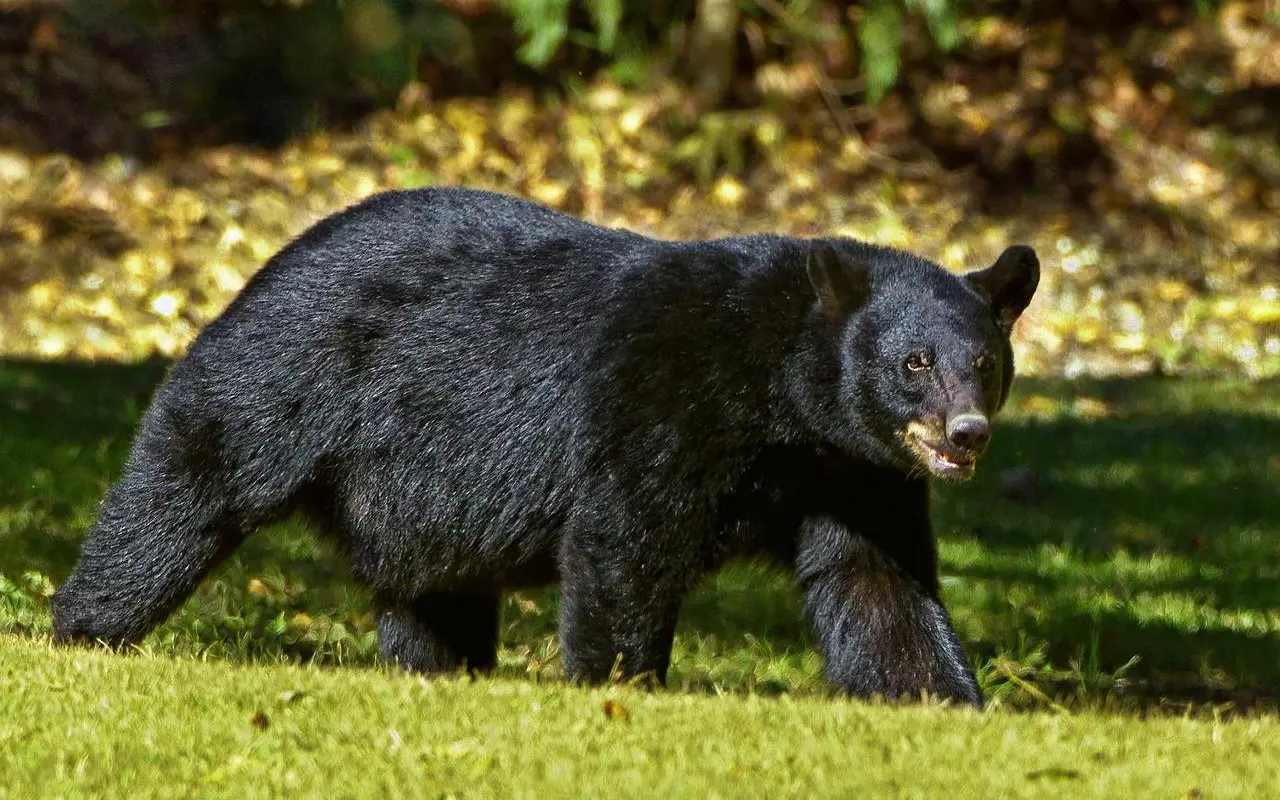
Rolling into a blind corner and meeting a bear is a real worry on Cariboo trails. Good bear safety mountain biking comes down to three habits: make noise, carry bear spray you can reach fast, and never ride away from a bear.
This guide is part of our look at mountain bike gear, where safety items sit beside the bike itself.
| Item | Value |
|---|---|
| Suggested distance from predators such as bears | At least 100 m |
| Bluff charges, per WildSafeBC | Most stop short of contact |
| Report aggressive bears | 1-877-952-7277 |
| Time of day wildlife expects people on trails | Mid-morning through late afternoon |
| Headphones in bear country | Do not use them |
These figures come from BC Parks wildlife safety guidance and WildSafeBC’s black bear page. Advice can change, so check those pages before you rely on the numbers.
Why riders meet bears by surprise
A bear that hears you coming usually leaves. The trouble with a bike is that you cover ground quickly and quietly, so you can reach a bear before it knows you are there.
Surprise at close range is what turns an ordinary sighting into a defensive one. Dense forest, creek crossings, wind and fast descents all hide the sound of your approach.
The Cariboo has plenty of black bear habitat, and grizzlies live in parts of the region too. Treat every ride as one where a bear could be around the next bend.
Bear safety on the bike: preventing an encounter
Prevention is worth more than any gadget. WildSafeBC advises riders to stay aware of their surroundings, and it says plainly: “Be aware of your surroundings and do not use headphones when hiking, biking or running in bear country.” You can see that on WildSafeBC’s black bear page.
Habits that help on the trail:
- Call out or use a bell or your voice before blind corners, thick brush and noisy creeks.
- Slow down on descents where you cannot see far ahead.
- Ride with other people when you can, since groups make more noise. WildSafeBC notes that travelling with another person results in more noise and may help dissuade a bear from approaching.
- Watch for fresh scat, torn-up logs, claw marks and berry patches, which are all signs of feeding bears.
- Keep your phone and headphones free of music so you can hear the trail.
Timing matters as well. BC Parks suggests you travel when wildlife expects people, which it describes as essentially mid-morning through late afternoon (see BC Parks). Dawn and dusk rides carry more risk.
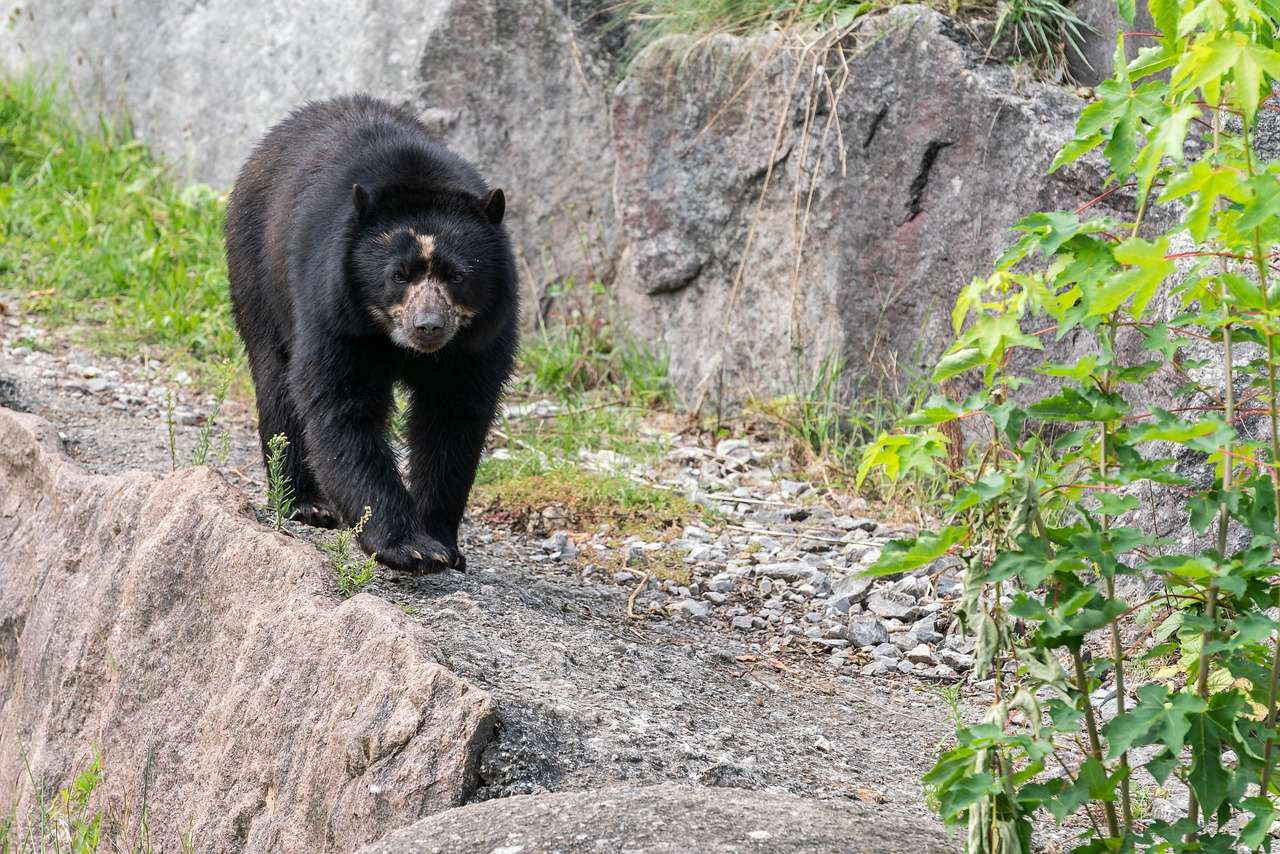
Carrying bear spray on a bike
BC Parks says hiking with bear spray and knowing how to use it is vital to staying safe around bears. WildSafeBC adds that you should carry it and be able to access it quickly.
On a bike, that has a practical meaning. A canister in a frame bag or a bottle cage is hard to grab in a crash or a panic.
Most riders prefer a holster on a hip belt, a pack strap or a vest where a hand can find it without looking. Bear safety trainers commonly advise against keeping it on the bike itself, because it can end up separated from you.
- Choose a canister made for bears, not a personal-defence spray.
- Read the instructions and note the range on the label. BC Parks tells you to do this so you know how close an animal must be before you use the spray.
- Check the expiry date and the pressure gauge if there is one.
- Practise drawing it and removing the safety clip with a glove on.
- Keep it away from heat, such as a car dashboard.
The BC government advises using pepper spray within 7 metres if a bear gets too close, according to the Province of British Columbia’s bear page. Canister ranges vary by brand, so the label on yours is the number to trust.
What to do if you see a bear
WildSafeBC’s rule is short: if you encounter a bear, stop, stay calm and never run. That applies to riding away as well. A bike is not faster than a bear over rough ground, and fleeing can trigger a chase.
The sequence below follows WildSafeBC and BC government guidance:
- Stop where you are, get off the bike if you can do it calmly, and keep the bike between you and the bear.
- Speak softly and calmly and back away slowly, as WildSafeBC puts it.
- Do not scream, turn your back, kneel down or make direct eye contact, according to the BC government page.
- Take your bear spray out and be ready to use it.
- Leave the area on a route that gives the bear room, and do not ride off fast once it has backed away.
BC Parks says to stay at least 100 m, roughly 10 bus lengths, from predators such as bears. If a bear is on the trail ahead and has not noticed you, turn around and take another route.
Bluff charges, predatory bears and reporting
Not every charge is an attack. WildSafeBC says an agitated bear may jaw-pop, moan, woof or stomp the ground, and most bluff charges stop short of contact. You may still be knocked down.
Hold your ground, and use your spray if the bear comes into range. A bear that keeps approaching, especially one that comes quietly and intently, may be predatory. WildSafeBC says black bears occasionally show that behaviour, and tells you to be prepared to fight for your life if the bear attacks.
Afterwards, tell someone. WildSafeBC asks that aggressive bears be reported to the Conservation Officer Service at 1-877-952-7277, and BC Parks gives the same RAPP number for dangerous wildlife-human interactions.
Packing for remote rides
The Cariboo has long stretches with no phone signal and no quick way out. Bear readiness belongs alongside your other kit.
Our guide to mountain bike repair kit essentials covers what keeps you moving if something breaks far from the trailhead. A mountain bike first aid kit is the other half of the plan if a crash or a close call leaves someone hurt.
Tell someone your route and your expected return time before you leave, and carry a way to call for help where signal exists. If a bear incident happens, a clear route description helps responders find you.
Keep food sealed and away from your bike when you stop. BC Parks lists items with a smell, such as sunscreen and bug spray, among the things that attract wildlife.
Frequently asked questions
Should I ride away from a bear?
Show answer
No. WildSafeBC says never run, and that includes riding off. Stop, stay calm, speak softly and back away slowly.
Where should I carry bear spray when riding?
Show answer
Somewhere you can reach it quickly, such as a holster on your body. WildSafeBC says to be able to access it quickly, and a frame-mounted canister is harder to reach.
Are bells enough to keep bears away?
Show answer
They help, but they are not a substitute for awareness or spray. Calling out around blind corners and riding in a group add more noise.
Who do I tell after an aggressive bear encounter?
Show answer
Report it to the BC Conservation Officer Service on 1-877-952-7277, the line WildSafeBC lists for aggressive bears.