Planning a trip and wondering about the best time to mountain bike in the Cariboo? Aim for summer and early fall: dry dirt, long days and mild weather. Spring and late fall can work, but trail conditions decide.
This guide sits alongside our look at Cariboo mountain biking, and it focuses on timing.
| Item | Value |
|---|---|
| Williams Lake normal July mean temperature | 16.2 degrees (Celsius) |
| Williams Lake normal July precipitation | 57 millimetres |
| Quesnel normal July mean temperature | 17.0 degrees (Celsius) |
| Normal early-August daytime high in the region | About 27 degrees (Celsius) |
| Quesnel normal July precipitation | 67.6 millimetres |
| Legally established trails around Williams Lake | More than 400 kilometres |
The climate figures come from an August 2025 Environment Canada summary reported by My Cariboo Now, and the trail figures from a West Coast Traveller feature. Figures can change, so check the source before you rely on them.
The best time to mountain bike in the Cariboo: summer and early fall
For most riders, July through September is the most reliable window. Trails are generally dry, daylight is long, and high-elevation routes are the most likely to be clear of snow.
The numbers back up the mild feel. Environment Canada’s normal July mean for Williams Lake is 16.2 degrees, which is comfortable for pedalling all day. Early August afternoons sit around 27 degrees, so start early on exposed climbs.
These are averages, not forecasts. A given week can run hot or cool, so check the forecast before you commit to a big day out.
What the weather normals tell you
A July normal of 57 millimetres of precipitation in Williams Lake means the month is not bone dry, but it is not soggy either. In July 2025 only 34.9 millimetres fell, about 61.2% of normal, so dry stretches do happen.
Quesnel sits a little warmer and wetter on paper: a normal July mean of 17.0 degrees and 67.6 millimetres of precipitation. The gap is small, so you can plan a multi-town trip without expecting very different weather.
- Williams Lake: normal July mean 16.2 degrees, normal precipitation 57 millimetres.
- Quesnel: normal July mean 17.0 degrees, normal precipitation 67.6 millimetres.
- Early August: afternoons commonly near 27 degrees.
For packing, this means a light jacket and a spare layer are worth carrying even in July. A mean of 16.2 degrees is an average across the whole day, so cool mornings and warm afternoons are normal.
It also means rain gear earns its place in the pack. Even in a drier-than-normal month, a passing shower over the hills is possible, and a wet clay or loam trail can change how your tyres grip.
The source covers July only. It does not tell you about spring melt or fall frost, so treat shoulder seasons as a judgment call.
Spring: ride the right trails, and protect them
Spring is when trail choice matters most. Lower, town-side networks tend to dry out first, while higher routes can hold snow well after town is clear.
The Fox Mountain network is one candidate for an early ride. Pinkbike’s Williams Lake feature lists it as 28 trails in 45km, and notes that the whole network can be reached right from town.
Spring is also a good moment to ride closer to town, check your bike over, and build fitness before the high country opens. A short loop on a dry trail beats a long day pushing through slush.
If a trail is soft or muddy, pick another one. Riding wet ground leaves ruts that local builders then have to repair.
- Check recent trip reports for the trail you want.
- Ask at a local bike shop or club if you are unsure.
- If your tyres leave deep prints, turn around.
- Carry layers; mornings can be cold even when afternoons are warm.
Summer: peak season, with fire and heat in mind
Summer gives you the widest choice, including alpine terrain around places like Wells BC mountain biking. Long daylight lets you fit in a full loop and still eat dinner on a patio.
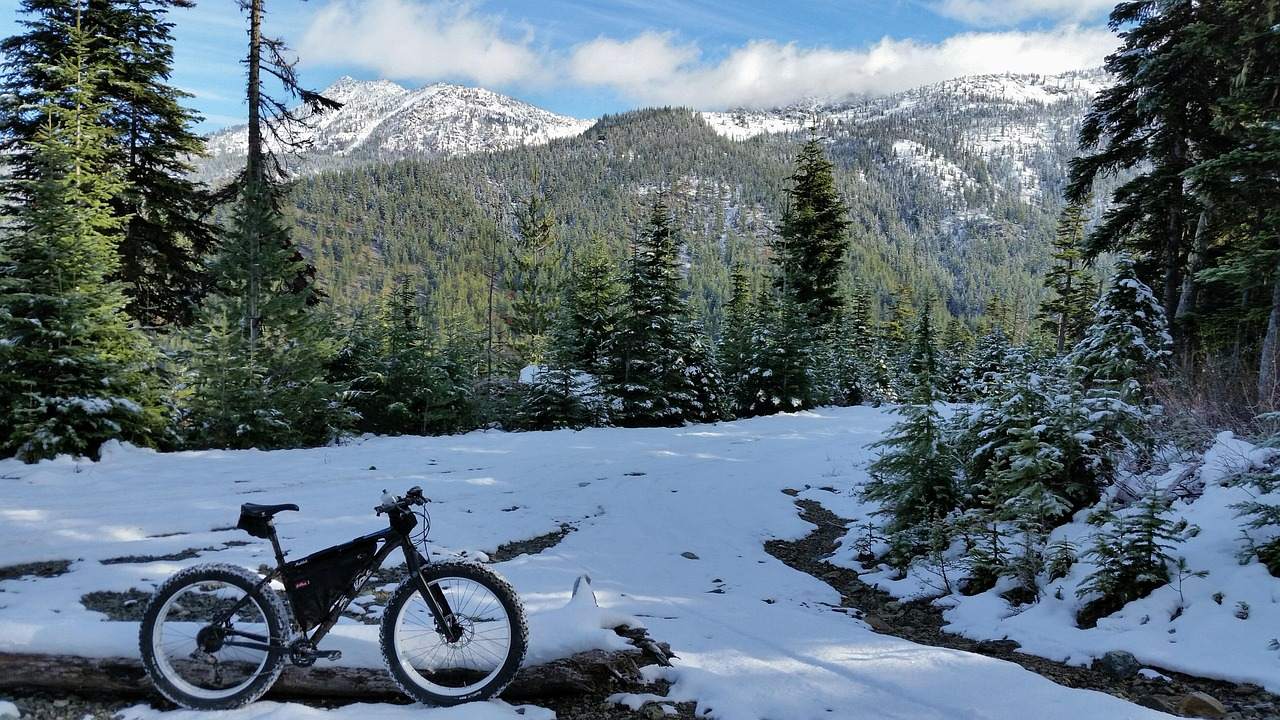
Big networks help in peak season. Williams Lake alone has more than 400 kilometres of legally established trails according to a West Coast Traveller feature, so you can usually find something quiet even on a busy weekend.
Summer also brings wildfire risk in much of interior British Columbia. Before you travel, check the BC Wildfire Service for current fire danger, campfire restrictions and any area closures, and have a backup plan if smoke settles in.
Smoke can arrive with little warning and can linger for days. If the air is heavy or your eyes sting, shorten the ride or switch to an easy day, because hard efforts mean deeper breathing.
Heat is the other planning point. Carry more water than you think you need, and ride exposed climbs in the morning.
Fall and winter: quiet trails, shorter days
Early fall can be a lovely time to ride, with cooler air and fewer people on the trails. Days get shorter, so carry a light and plan to finish before dusk.
Fall riding rewards flexibility. Dress in layers you can shed, expect leaf litter and damp corners on shaded descents, and slow down on roots and rocks that may be slick in the morning.
Fewer riders also means fewer people nearby if something goes wrong. Ride a little more conservatively than you would on a busy summer weekend.
Later in the season, frost and snow can end riding at higher elevations. Treat any late-fall ride as dependent on the day’s conditions rather than the calendar.
Winter is mostly outside the scope of this guide. If you are planning a longer trip that mixes camping and riding, see our notes on bike touring in the Cariboo for how timing affects that style of trip.
How to plan around your trip
Match your window to your goal. The table below summarises a practical approach.
- Alpine and high-elevation riding: mid to late summer.
- Town-side trails and short rides: spring through fall, depending on conditions.
- Cooler temperatures and fewer people: early fall.
- Hot-weather riding with long days: July and August, starting early.
This list is general guidance, not a measured schedule. Conditions vary year to year, so confirm with current trail reports before you drive.
Whatever the month, carry repair basics, water and layers. The region is large, and help can be far away.
Build some slack into the plan. A rain day or a smoky day is easier to absorb if you have a second trail network in mind, a rest day booked, or a flexible return date.
If you are riding with a group, agree on a turnaround time before you leave the trailhead. Weather in the hills can change faster than it does in town, and a shared plan keeps everyone comfortable.
Finally, tell someone where you are going and when you expect to be back. Cell coverage is patchy in parts of the Cariboo, so do not count on a phone call to sort out a problem.
Frequently asked questions
What is the best month for mountain biking in the Cariboo?
Show answer
July through September is the most dependable stretch, with a normal July mean of 16.2 degrees in Williams Lake and generally dry trails. Check current conditions for the specific trail.
Can you ride in spring?
Show answer
Often yes, on lower town-side trails once they have dried. Avoid soft or muddy ground, and expect snow to linger higher up.
Does wildfire smoke affect riding?
Show answer
It can in summer. Check the BC Wildfire Service and local air quality before you go, and keep a flexible plan.
Is it too hot in August?
Show answer
Afternoons near 27 degrees are normal in early August, so ride early and carry plenty of water.