Worried about what to pack for a Cariboo ride? A mountain bike first aid kit can stay small: a mouldable splint, bandages, dressings, tape and gloves, plus a locator beacon for remote trails.
| Item | Role in the kit |
|---|---|
| Mouldable splint | Stabilises broken bones or sprained joints |
| Triangular bandage | Sling, splint tie or pressure application |
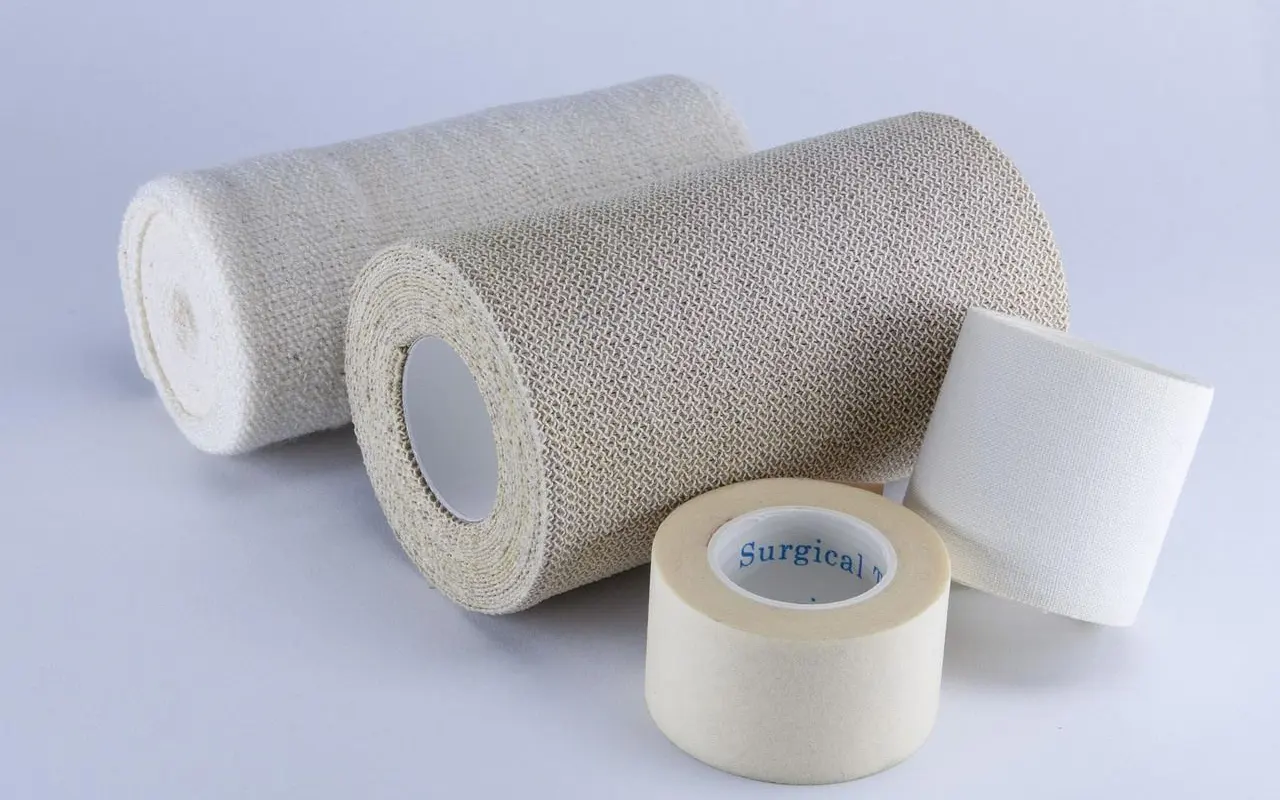
| Crepe bandage | Pressure on bleeding, or wrapping sprains and strains |
| Tourniquet | Optional add-on for major hemorrhage |
| Personal locator beacon (PLB) | Always carried for remote areas |
These items come from an interview on kit-building published by Outset. Advice can change, so check the source before you rely on it.
Start with what mountain bike injuries need
Before buying anything, look at what you already own. Many riders have gloves, tape and a bandage in a drawer, so a homemade pouch can cost very little and be tailored to you.
Crashes on trail tend to cause cuts, sprains and broken bones. Your kit should deal with those first, and nothing else needs to take up space on a short loop.
The interview describes a trail-focused kit that includes “a large island dressing, a mouldable splint, a crepe bandage, a triangular bandage, wound dressings, and a roll of tape.” That list is a sound base for building your own.
The core items for every ride
The same source lists its “Core Essentials (for Every Ride)”. Here is how each piece earns its place:
- Mouldable splint: “A flexible, lightweight splint for stabilising broken bones or sprained joints.”
- Triangular bandage: “A versatile tool that can be used as a sling, to secure a splint, or for pressure application.”
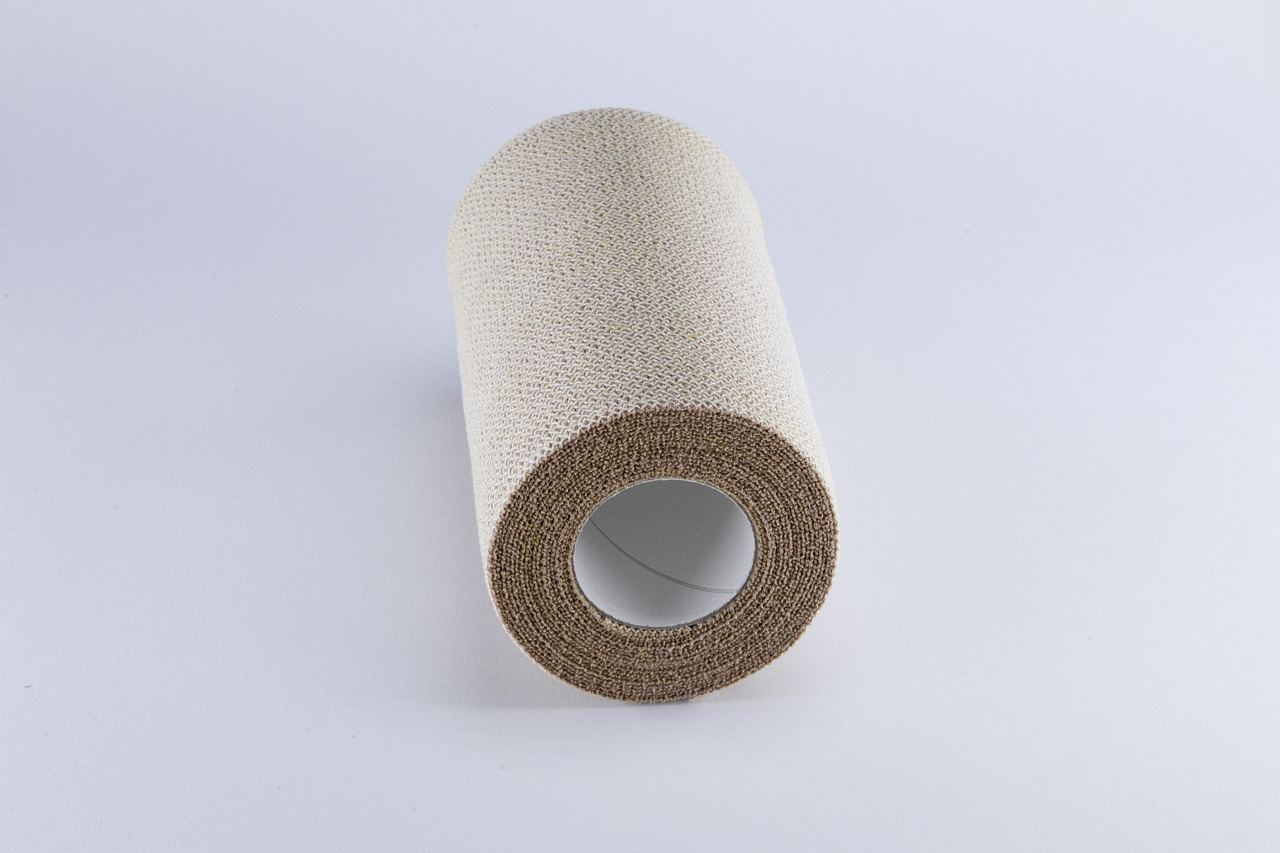
- Crepe bandage: “Ideal for applying pressure to control bleeding or for wrapping sprains and strains.”
- Dressings and tape: cover a wound, then hold the dressing in place.
- Gloves: protect you and the patient when handling blood.
For a deep cut, the interview says you can apply a dressing and bandage it. For a fracture, you can use the splint and bandages to immobilise the limb, or use the triangular bandage as a sling.
Should you carry a tourniquet?
Bleeding is the injury that can turn serious fastest, which is why this question comes up so often for riders.
The interview says “Most severe bleeds can be stopped with pressure, but a tourniquet is a life-saving tool for major hemorrhages.” It presents the tourniquet as something you could add, not as a core item.
If you carry one, learn how to apply it before you need it. A tool you have never practised with is hard to use under stress, so consider a recognised first aid course.
Why gloves, dressings and tape matter
The big items get the attention, yet the small ones get used most. Grazes, gravel rash and cuts from a pedal or rock are far more common than a break.
Clean the wound as best you can, cover it with a dressing and hold it with tape or a bandage. Wear gloves when handling blood, and pack a spare pair so one tear does not leave you bare-handed.
Tape is the quiet hero. It holds dressings, fixes a splint and can patch a torn pack, so a roll costs almost nothing in weight.
Extras for remote and longer rides
Much Cariboo riding is far from help and cell coverage. Longer rides call for a bigger kit, and the source notes that “For large groups or very long or remote rides, a more comprehensive kit is necessary.”
- Personal locator beacon: the source says to “always, always take a personal locator beacon (PLB) for remote areas.”
- Pain relief: “A few tablets of ibuprofen or Panadol can provide crucial pain management until you reach safety.”
- Your ride plan: tell someone where you are going and when you expect to be back.
Read our guide to trail safety for planning and group habits, and see bear safety mountain biking for wildlife precautions that sit alongside your kit.
Building a mountain bike first aid kit around your rides
No list fits every rider. Think about how far you ride from the trailhead, how many people are in your group, and how long help would take to reach you.
A sensible approach is a modular kit. Keep a small core pouch in your pack for every ride, then clip on extras when the day is long or the route is remote.
- Short local loop: the core items, a phone and a light layer.
- Big day out: the core pouch plus pain relief, spare dressings and a beacon.
- Group ride: a larger shared kit carried by one rider, with the core pouch on everyone else.
Keep weight in check. A kit that feels like a burden gets left at home, and a kit left at home helps nobody.
What a kit cannot do for you
Gear is only half the answer. Knowing how to use a splint, build a sling or hold firm pressure on a wound matters as much as owning one.
Take a first aid course and practise with your riding partners. Courses that cover wilderness settings are the most relevant, since you may be a long way from an ambulance.
After a serious crash, do not rely on a kit alone. Call for emergency help if you have signal, or activate your beacon if you do not.
- Stay calm and check that the scene is safe from other riders.
- Control any heavy bleeding with firm pressure.
- Keep the injured rider still, warm and talking.
- Send someone for help, or trigger the beacon, and do not leave the person alone.
Packing and checking your kit
Keep the kit in a waterproof bag in the same pocket of your pack every time. That way you, or a riding partner, can find it fast.
Put the kit where you can reach it without unpacking everything. If you cannot find it quickly, it will not help when seconds count.
- Check the contents before the season starts and after any use.
- Replace used dressings and damp tape straight away.
- Check medication dates and any personal medical needs.
- Show your riding partners where the kit is.
The kit is one piece of what you carry; the mountain bike gear hub covers the rest. This article is general education and does not replace first aid training or medical advice.
Frequently asked questions
Do I need a different kit for short local rides?
Show answer
Not much different. The source’s core items suit every ride, and it recommends a more comprehensive kit only for large groups or very long or remote rides.
Is a tourniquet essential?
Show answer
The source says most severe bleeds can be stopped with pressure and describes a tourniquet as something you could add. Whether to carry one is your call, and training matters if you do.
What is a PLB and when should I take one?
Show answer
A PLB is a personal locator beacon. The source says to always take one for remote areas.
Can a splint be improvised?
Show answer
A mouldable splint is made for this job. The source also notes the triangular bandage can serve as a sling or secure a splint.